
Buy 1cP-LSD 20 mcg Micro Blotters
Buy 1cP-LSD 20 mcg Micro Blotters online with fast delivery. 1cP-LSD is a lysergamide compound structurally related to lysergic acid diethylamide (LSD). Its chemical characteristics are relevant to investigations involving molecular structure, analytical identification, and the differentiation of structurally related compounds.
CAS Number and Chemical Identification
Compound: 1cP-LSD
Chemical class: Lysergamide
Common abbreviation: 1cP-LSD
IUPAC name: Requires verification against a reliable chemical reference.
A CAS Registry Number should be included only when it has been confirmed through a reliable chemical registry. If an authoritative record cannot be located, the identifier should be listed as unverified rather than assigning a number based on an unconfirmed secondary source.
Chemical identity should be established using appropriate reference data and validated analytical methods.
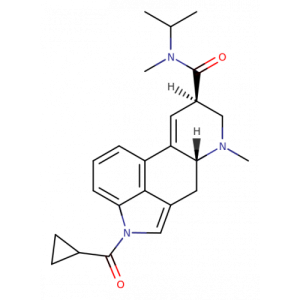
Molecular Formula and Structure
The molecular formula, molecular mass, and structural representation of 1cP-LSD should be checked against authoritative chemical references before publication.
A verified structural diagram is preferable to a text-based sketch, particularly for compounds with complex ring systems. Incorrect structural representations can lead to confusion during chemical identification and literature review.
Purity and Analytical Characterization
Purity is an analytical measurement, not an assumption based on the product’s designation or appearance.
Where laboratory results are available, relevant documentation may include:
- Compound identification and analytical method
- Reported purity and the method used to calculate it
- Sample or batch identification
- Reference standards and method limitations
- Potential impurities or degradation products
A purity figure such as 98% should be reported only when supported by suitable analytical evidence. The term research grade should not be treated as proof of certification or compliance with a specific quality standard.
Physical and Chemical Properties
The following properties require reliable supporting documentation before they can be treated as confirmed specifications.
| Property | Information to verify |
|---|---|
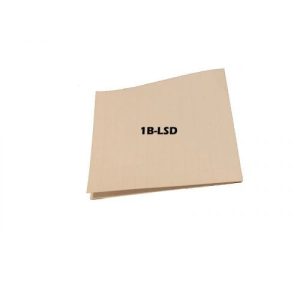
| Physical form | Blotter paper containing the identified compound |
| Stated amount | 20 mcg per unit, subject to analytical confirmation |
| Appearance | Documented sample characteristics |
| Solubility | Solvent-specific experimental data |
| Molecular formula | Authoritative chemical reference |
| Molecular mass | Calculated from the verified molecular formula |
The appearance of a blotter does not establish its chemical composition or the amount of compound present.
Pharmacological and Chemical Research
Research involving lysergamide compounds can investigate the relationship between molecular structure, analytical characteristics, and biological activity.
Potential areas of scientific inquiry include:
Analytical identification: Evaluating techniques that distinguish related lysergamide compounds.
Structure–activity relationships: Examining whether structural differences correspond to measurable differences in biological activity.
Serotonin receptor research: Reviewing compound-specific evidence concerning receptor binding and functional activity.
Chemical stability: Investigating degradation pathways and the influence of environmental conditions on sample integrity.
Claims about microdose effects, receptor affinity, or pharmacological activity should be supported by relevant experimental studies. Findings involving LSD or another related compound cannot automatically be attributed to 1cP-LSD.
Laboratory Safety and Handling
Work involving psychoactive research chemicals requires an appropriate risk assessment and compliance with institutional safety procedures.
Researchers should consult reliable safety documentation, use suitable protective equipment, maintain accurate sample records, and restrict access to authorized personnel. Potential exposure should be addressed according to the applicable laboratory procedures.
In the event of suspected exposure or accidental ingestion, seek appropriate medical or poison-control guidance promptly.
Storage and Stability Research
Storage recommendations should be based on verified stability information for the material under investigation.
Light, temperature, moisture, packaging, and storage duration may influence chemical stability. A specific temperature range, including 2–8°C, should not be presented as a validated requirement without supporting evidence.
Stability claims should identify the analytical method, study conditions, observation period, and criteria used to assess degradation.
Regulatory Information
The legal status of 1cP-LSD varies by jurisdiction and may change over time. Researchers should consult current official legislation and relevant regulatory authorities before undertaking activities involving the compound.
A research-use designation does not establish that a material is legally unrestricted, certified, or approved for a particular investigation.
Technical Documentation
Reliable technical documentation should distinguish confirmed analytical findings from supplier statements, theoretical predictions, and unverified specifications.
Where applicable, documentation should identify the analytical methods used, explain relevant limitations, and provide traceable references for chemical identity and reported properties.
Foire aux questions
What is 1cP-LSD?
1cP-LSD is a lysergamide compound related structurally to LSD. Its identification and properties should be evaluated using reliable chemical references and appropriate analytical evidence.
What does 20 mcg mean in a product specification?
Twenty micrograms is a stated mass of 20 × 10⁻⁶ grams. Whether an individual blotter contains that amount must be established through appropriate measurement rather than inferred from its appearance.
How is 1cP-LSD identified analytically?
Depending on the research question, methods such as chromatography, mass spectrometry, and nuclear magnetic resonance spectroscopy may contribute to compound identification. Method selection and interpretation require appropriate reference data and validation.
What is known about its pharmacological activity?
Claims about receptor interactions, potency, or other biological effects require compound-specific evidence. Structural similarity to LSD alone does not establish equivalent pharmacology.
What information is needed to assess chemical stability?
A meaningful assessment requires documented storage conditions, an appropriate analytical method, a defined observation period, and evidence concerning changes in the sample over time.
Why should the legal status be checked?
Chemical regulations differ between jurisdictions and may change. Current official sources should be consulted to determine which requirements apply to a particular research activity.

 English
 French
 Spanish
 Italian
 Portuguese
 Dutch
Avis
Il n’y a pas encore d’avis.