

Buy 1cP-LSD Blotters – 100mcg Online
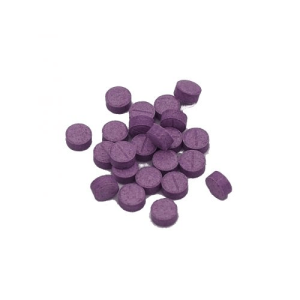
Buy 1cP-LSD Blotters – 100mcg with discreet delivery. 1CP-LSD (1-cyclopropionyl-lysergic acid diethylamide) is a research chemical belonging to the lysergamide class, closely related to LSD-25. Each blotter contains 150 micrograms (mcg) of 1CP-LSD, delivered in uniform and standardized doses designed for precise research applications. Synthesized under stringent conditions, 1CP-LSD offers consistency and reliability in experimental and analytical settings.
1cP-LSD Blotters
1cP-LSD is a lysergamide compound structurally related to LSD (lysergic acid diethylamide). It is of interest in discussions of lysergamide chemistry, structural modification, analytical identification, and the relationship between molecular structure and biological activity. Investigational work involving this compound requires careful chemical characterization, appropriate laboratory controls, and critical evaluation of the available scientific evidence.
Chemical Composition and Molecular Structure
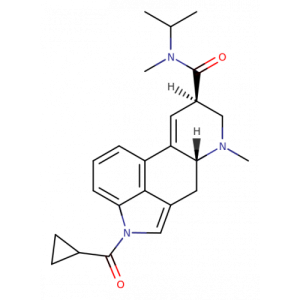
1cP-LSD belongs to the broader family of lysergamide compounds. Its structure differs from LSD through the presence of a cyclopropanecarbonyl-related modification. Investigating this structural difference can contribute to a better understanding of how chemical modifications influence analytical characteristics, molecular properties, and potential biological activity.
Chemical identification should rely on appropriate reference data and validated analytical techniques. Methods such as high-performance liquid chromatography (HPLC), liquid chromatography–mass spectrometry (LC-MS), and nuclear magnetic resonance (NMR) spectroscopy may provide complementary information, depending on the research question and the method used.
Pharmacological Research and Mechanism of Action
The pharmacology of lysergamide compounds involves interactions with serotonin receptors and other biological targets. Although structural similarities can help researchers formulate hypotheses, related compounds may differ in receptor activity, metabolism, potency, and duration of action.
For 1cP-LSD, conclusions about receptor affinity, agonist activity, or pharmacological equivalence should be based on compound-specific experimental evidence. Findings reported for LSD or other lysergamides cannot automatically be attributed to 1cP-LSD.
Investigational research in this area may examine:
- Receptor-binding characteristics and functional activity
- Relationships between molecular structure and biological response
- Differences between related lysergamide compounds
- Metabolic pathways and the formation of potential metabolites
- Limitations in translating laboratory findings into biological conclusions
These questions require appropriate experimental designs and careful interpretation of results.
Analytical Characterization and Compound Identification
Analytical characterization is important when investigating compounds that are structurally similar to established reference substances. Reliable identification requires methods capable of distinguishing related compounds and detecting relevant impurities or degradation products.
Depending on the study, researchers may evaluate chromatographic separation, mass-spectral characteristics, spectroscopic signatures, and reference-standard comparisons. Each method has limitations, and no single analytical result should be interpreted beyond what the method can establish.
When reviewing published or laboratory-generated data, important considerations include sample provenance, instrument calibration, method validation, reference materials, uncertainty, and the reproducibility of reported findings.
Investigational Applications
Research concerning 1cP-LSD may contribute to broader investigations into lysergamide chemistry and analytical identification. Relevant areas of scientific inquiry include:
Structural chemistry: Examining how modifications to a lysergamide structure affect its chemical properties and analytical signatures.
Analytical method development: Investigating methods for distinguishing closely related compounds in forensic, toxicological, and chemical-analysis settings.
Structure–activity relationships: Comparing experimentally supported findings across related molecules to identify similarities and differences in biological activity.
Metabolic investigations: Examining available evidence concerning transformation pathways and potential metabolites, while distinguishing established results from hypotheses.
Forensic identification: Assessing the strengths and limitations of analytical techniques used to identify emerging or less-characterized psychoactive substances.
The suitability of 1cP-LSD for any particular investigation depends on the research question, available evidence, laboratory capabilities, and applicable regulatory requirements.
Evidence Limitations and Research Gaps
Scientific understanding of individual lysergamide compounds can vary considerably. Evidence concerning one member of the class may not adequately characterize another, particularly when compound-specific pharmacological or toxicological data are limited.
Important research limitations may include incomplete reference data, uncertainty surrounding analytical identification, limited validated pharmacological findings, and insufficient evidence concerning long-term stability or toxicity.
Researchers should distinguish peer-reviewed experimental results from theoretical predictions, secondary summaries, and unverified product claims. Conclusions should reflect the strength of the available evidence and clearly identify unresolved questions.
Chemical Stability and Storage Research
Chemical stability is an important consideration in analytical investigations. Environmental factors such as light, temperature, moisture, and the properties of the storage material may influence the integrity of chemical samples.
Stability assessments should use documented experimental conditions, suitable analytical methods, and clearly defined acceptance criteria. Claims concerning degradation rates, shelf life, or long-term stability require supporting data specific to the material and conditions under investigation.
Where stability data are unavailable, the uncertainty should be stated rather than replaced with an assumed storage duration or guaranteed outcome.
Laboratory Safety and Regulatory Considerations
Investigations involving psychoactive research chemicals should follow institutional safety procedures, appropriate risk assessments, and applicable chemical-handling requirements. Access, labeling, sample documentation, and waste management should be handled in accordance with the relevant laboratory procedures.
The legal classification of 1cP-LSD varies by jurisdiction and may change over time. Researchers should consult current, authoritative legal sources and obtain any required institutional or regulatory authorization before conducting relevant work.
A research designation does not establish that a substance is legally unrestricted, approved for a particular study, or safe for human consumption.
Ethical Standards and Scientific Reporting
Responsible investigation requires transparent documentation, reproducible methods, and clear reporting of uncertainty. Researchers should distinguish observed findings from interpretations and hypotheses, disclose methodological limitations, and avoid conclusions unsupported by the available evidence.
Where research involves regulated materials, biological systems, or human-related questions, the appropriate ethical review and regulatory framework should

 English
 French
 Spanish
 Italian
 Portuguese
 Dutch
Recensioni
Ancora non ci sono recensioni.