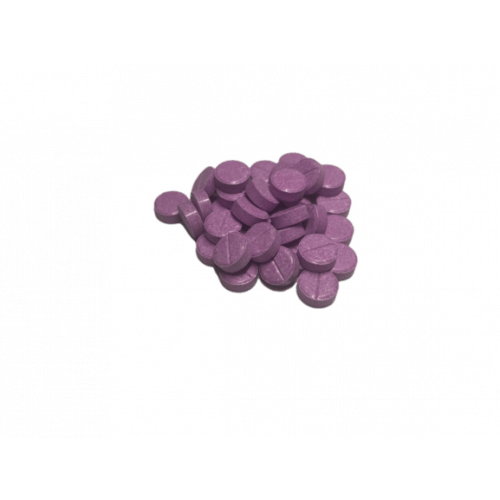

Buy 2-MMC Pellets – 180mg: Chemical Properties, Research and Scientific Overview
What Is 2-MMC?
2-MMC, also known as 2-methylmethcathinone or 2-methyl MC, is a synthetic cathinone that has attracted attention in analytical chemistry, forensic science, pharmacology, toxicology, and new psychoactive substance research.
The compound is structurally related to methcathinone and other methylmethcathinones. The “2” in 2-MMC refers to the position of the methyl substituent on the aromatic ring. This distinguishes 2-MMC from related positional isomers such as 3-MMC and 4-MMC.
The European Union Drugs Agency (EUDA) identifies 2-MMC as a synthetic cathinone monitored through the European Union Early Warning System as a new psychoactive substance.
For scientific purposes, 2-MMC is best discussed in terms of its chemical identity, analytical characteristics, pharmacological research, toxicology, and regulatory status rather than unsupported claims about therapeutic or cognitive benefits.
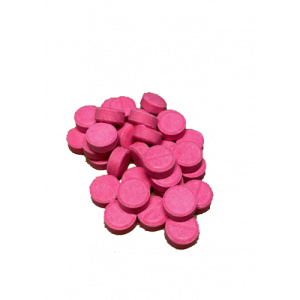
2-MMC 180mg Pellets
This page concerns 2-MMC Pellets – 180mg, a pelletized form identified as containing 180mg of 2-MMC per pellet according to the supplied product specification.
Pelletized research materials provide a defined physical format that can be useful for product identification and controlled laboratory handling. However, the stated quantity of a commercial research material should not be treated as independent evidence of chemical purity or composition.
For analytical work, researchers should rely on appropriate documentation and validated testing methods.
Product specifications
| Property | Specification |
|---|---|
| Compound | 2-MMC |
| Common name | 2-Methylmethcathinone |
| Product form | Pellets |
| Labeled quantity | 180 mg per pellet |
| Chemical class | Synthetic cathinone |
| Molecular formula | C11H15NO |
| Molecular weight | 177.24 g/mol |
| IUPAC name | 2-(Methylamino)-1-(2-methylphenyl)propan-1-one |
EUDA reports the molecular formula C11H15NO and molecular mass 177.24, while PubChem independently lists the same molecular formula and molecular weight.
2-MMC Chemical Description
The systematic chemical name for 2-MMC is 2-(methylamino)-1-(2-methylphenyl)propan-1-one.
The molecule contains a phenyl ring with a methyl substituent in the ortho position, together with a β-ketoamine structure characteristic of cathinones.
Its principal structural components include:
- A substituted aromatic phenyl ring
- An ortho-methyl substituent
- A ketone functional group
- A methylamino group
- A three-carbon side-chain framework
The location of the methyl group is particularly important. In 2-MMC, it occurs at the 2-position of the aromatic ring. By comparison, 3-MMC contains the methyl group at the 3-position, while 4-MMC contains it at the 4-position.
Although these compounds share the same molecular formula, their different substitution patterns make them distinct chemical entities.
2-MMC Molecular Formula and Molecular Weight
The molecular formula of 2-MMC is:
C11H15NO
Its molecular weight is:
177.24 g/mol
PubChem also identifies 2-MMC as 2-methylmethcathinone and lists the IUPAC name 2-(methylamino)-1-(2-methylphenyl)propan-1-one.
The compound has the CAS number 1246911-71-6, according to PubChem.
These identifiers are useful for chemical databases, laboratory records, analytical reference work, and scientific literature searches.
2-MMC and Synthetic Cathinones
Synthetic cathinones are a broad group of compounds structurally related to cathinone.
Cathinone itself is a naturally occurring compound associated with the khat plant. Synthetic derivatives modify the basic cathinone structure through changes to the aromatic ring, nitrogen substituents, or carbon side chain.
EUDA describes synthetic cathinones as a diverse group of β-keto compounds related to phenethylamine.
2-MMC belongs to this broader chemical family.
Its structural relationship to methcathinone and other methylmethcathinones makes it relevant to comparative chemical and pharmacological research.
2-MMC vs 3-MMC vs 4-MMC
One of the most important aspects of 2-MMC chemistry is its relationship to other methylmethcathinones.
2-MMC
The methyl group is positioned at the 2-position of the aromatic ring.
3-MMC
The methyl group is positioned at the 3-position.
4-MMC
The methyl group is positioned at the 4-position.
All three compounds have the molecular formula C11H15NO and molecular mass 177.24, according to EUDA. However, their different substitution patterns make them positional isomers rather than the same compound.
| Compound | Ring substitution | Formula | Molecular mass |
|---|---|---|---|
| 2-MMC | 2-methyl | C11H15NO | 177.24 g/mol |
| 3-MMC | 3-methyl | C11H15NO | 177.24 g/mol |
| 4-MMC | 4-methyl | C11H15NO | 177.24 g/mol |
This distinction is important in analytical chemistry because compounds with the same molecular formula can still exhibit different chromatographic, spectroscopic, pharmacological, and toxicological characteristics.
2-MMC Research
Research into 2-MMC falls within the broader scientific study of new psychoactive substances and synthetic cathinones.
EUDA published an initial report on 2-MMC in June 2025. The report was prepared after the substance was monitored through the European Union Early Warning System and was intended to provide scientific information for consideration of its potential public-health risks.
Areas of research can include:
- Chemical identification
- Analytical chemistry
- Forensic toxicology
- Pharmacological characterization
- Metabolism research
- New psychoactive substance monitoring
- Drug-testing methodology
- Comparative synthetic cathinone research
Because 2-MMC is a relatively recent subject of formal monitoring, the available evidence base should be assessed carefully rather than extrapolating findings from better-studied compounds.
2-MMC Analytical Research
Accurate identification is particularly important when studying synthetic cathinones.
Several structurally related compounds can share similar molecular formulas or mass characteristics. Therefore, a single screening result may not always provide sufficient information to establish the identity of a sample.
Depending on the analytical objective, laboratories may use techniques such as:
- Gas chromatography-mass spectrometry (GC-MS)
- Liquid chromatography-mass spectrometry (LC-MS)
- High-resolution mass spectrometry
- Nuclear magnetic resonance spectroscopy
- Chromatographic comparison with authenticated reference materials
PubChem records mass-spectrometric information for 2-methylmethcathinone, including GC/MS data.
The appropriate analytical method depends on the sample, laboratory equipment, validation requirements, and purpose of the investigation.
2-MMC Pharmacological Research
2-MMC is classified within a group of compounds associated with stimulant pharmacology. However, it is important not to assume that 2-MMC has the same pharmacological profile as 3-MMC, 4-MMC, methcathinone, or another synthetic cathinone.
Small structural changes can affect interactions with biological targets, metabolism, pharmacokinetics, and toxicological outcomes.
Consequently, compound-specific experimental evidence is required before making definitive pharmacological claims.
This is particularly relevant for newer psychoactive substances, where the scientific literature can be considerably smaller than that available for established compounds.
2-MMC Toxicology Research
Toxicological research examines how substances interact with biological systems and what factors may contribute to adverse outcomes.
For 2-MMC, relevant research areas include:
- Analytical detection
- Biological sample analysis
- Metabolite identification
- Exposure assessment
- Toxicological screening
- Interpretation of forensic findings
- Comparison with related synthetic cathinones
The emergence of new synthetic cathinones creates challenges for forensic laboratories because compounds can appear before validated analytical standards and comprehensive toxicological information become widely available.
For this reason, reliable chemical identification and careful interpretation of laboratory results are important components of 2-MMC research.
2-MMC Pellets and Laboratory Research
The pellet format represents a physical presentation of the compound rather than a separate chemical entity.
A pellet labeled 2-MMC 180mg should therefore be distinguished from the chemical identity of 2-MMC itself.
For research documentation, it is useful to record:
- Compound identity
- Physical form
- Labeled quantity
- Batch or lot information
- Analytical documentation
- Storage conditions
- Relevant regulatory requirements
Where available, a certificate of analysis can provide additional information about a particular batch. However, researchers should evaluate analytical documentation critically and consider independent testing where required by their research protocols.
2-MMC Safety and Handling
2-MMC should not be represented as an approved medicine, dietary supplement, therapeutic product, or established treatment for any medical condition.
Synthetic cathinones can have significant pharmacological activity. Consequently, laboratory work involving such substances should take place under appropriate institutional safety procedures.
Researchers should follow applicable:
- Chemical hygiene procedures
- Personal protective equipment requirements
- Exposure-control measures
- Storage requirements
- Waste-disposal procedures
- Institutional research protocols
- Local regulatory requirements
The original product description’s claim that 2-MMC is “high-purity” or “laboratory-standard” should only be retained if supported by appropriate analytical evidence.
2-MMC Legal and Regulatory Status
The legal status of 2-MMC varies between jurisdictions and can change as governments respond to emerging psychoactive substances.
EUDA currently identifies 2-MMC as a new psychoactive substance monitored through the European Union Early Warning System.
PubChem also records a DEA classification for 2-methylmethcathinone and notes an addition date of December 2024 within its regulatory-source information.
Researchers should therefore verify the current regulations applicable to their country, institution, and intended research activity before working with 2-MMC.
Why Accurate 2-MMC Identification Matters
Accurate identification is essential when working with synthetic cathinones because closely related compounds can have similar names and molecular formulas.
For example, 2-MMC, 3-MMC, and 4-MMC all have the molecular formula C11H15NO and molecular mass 177.24 g/mol, yet they are distinct positional isomers.
Consequently, product labels, laboratory records, analytical reports, and scientific publications should use precise nomenclature.
This also helps prevent confusion between:
- 2-MMC and 3-MMC
- 2-MMC and 4-MMC
- 2-MMC and methcathinone
- 2-MMC freebase and 2-MMC hydrochloride
- 2-MMC and other synthetic cathinones
Frequently Asked Questions About 2-MMC
What is 2-MMC?
2-MMC, or 2-methylmethcathinone, is a synthetic cathinone and new psychoactive substance monitored by EUDA.
What is the chemical formula of 2-MMC?
The molecular formula of 2-MMC is C11H15NO.
What is the molecular weight of 2-MMC?
2-MMC has a molecular weight of approximately 177.24 g/mol.
What is the IUPAC name of 2-MMC?
The IUPAC name is 2-(methylamino)-1-(2-methylphenyl)propan-1-one.
What is the CAS number of 2-MMC?
PubChem lists 1246911-71-6 as the CAS number for 2-methylmethcathinone.
Is 2-MMC a synthetic cathinone?
Yes. EUDA identifies 2-MMC as a synthetic cathinone and monitors it as a new psychoactive substance.
What is the difference between 2-MMC and 3-MMC?
The primary structural difference is the position of the methyl substituent on the aromatic ring. In 2-MMC, it is located at position 2, while in 3-MMC, it is located at position 3. Both compounds have the same molecular formula and molecular mass but are different positional isomers.
What is the difference between 2-MMC and 4-MMC?
2-MMC has its methyl substituent at the 2-position of the aromatic ring, whereas 4-MMC has it at the 4-position. Both have the molecular formula C11H15NO.
What are 2-MMC 180mg pellets?
2-MMC 180mg pellets are a pelletized physical format identified by the supplied specification as containing 180mg of 2-MMC per pellet. The labeled quantity should be distinguished from independently verified purity or composition.
Is 2-MMC approved for medical use?
2-MMC should not be represented as an approved medicine or established treatment. It is monitored as a new psychoactive substance within the EUDA early-warning framework.
Conclusion
2-MMC Pellets – 180mg refers to a pelletized material identified as containing a labeled 180mg quantity of 2-methylmethcathinone.
Chemically, 2-MMC has the molecular formula C11H15NO, a molecular weight of 177.24 g/mol, and the systematic name 2-(methylamino)-1-(2-methylphenyl)propan-1-one.
Its position within the synthetic cathinone family makes it relevant to analytical chemistry, forensic toxicology, pharmacological research, and new psychoactive substance monitoring.
For a scientifically credible page, however, it is important to distinguish verified chemical information from unsupported claims about purity, efficacy, therapeutic potential, or human effects. The strongest content strategy is therefore to focus this page on 2-MMC 180mg pellets as a specific product/entity, while using separate pages to target broader searches relating to 2-MMC chemistry, synthetic cathinones, and new psychoactive substances.
 English
  French
  Spanish
  Italian
  Portuguese
  Dutch
Dutch
Recensioni
Ancora non ci sono recensioni.